 +91 98112 27269
Our Latest Guides

How Today’s Lifestyle Habits Can Be Damaging To The Ear’s Health!
— By
Early in 2015, the World Health Organization (WHO) warned that 1.1 billion young people are at risk of hearing loss because of personal audio devices, such as smartphones, and damaging levels of sound at entertainment venues. Most of us spend a lot of time commuting between home and the workplace, especially in crowded metros like

7 Reasons Why Hearing Health Is As Important As Overall Health
— By
It’s not uncommon to see individuals afflicted with hearing loss to put off their problems with an ‘it’s not that bad’ or ‘it seems to come and go’. The social stigma of being seen wearing a hearing aid and being labelled ‘deaf’ or ‘old’ can lead to avoiding the problem altogether. It is true that

Common Reasons People Give to Avoid Wearing Hearing Aids – And Why They Are Wrong
— By
There is one particular type of hearing aid that audiologists worry about. It’s bad for the patient, and it can deter other people from even attempting to give hearing aids a chance to improve their lives. They are called “in-the-drawer” hearing aids. As opposed to behind-the-ear or in-the-canal hearing aids, ITD hearing aids never see

Cochlear Implant vs Hearing Aid – Understanding How They Are Different
— By
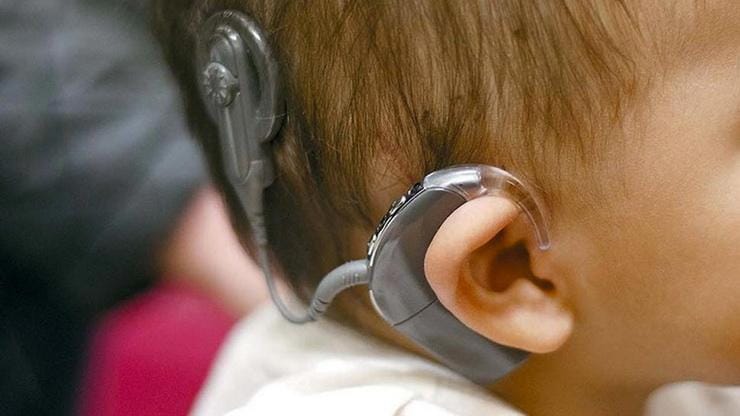
You might come across a mention of cochlear implants as an alternative for treating hearing loss. Cases requiring cochlear implants are usually very different to those requiring Hearing Aids. [perfectpullquote align=”full” bordertop=”false” cite=”” link=”” color=”” class=”” size=””]Cochlear Implants are considered only in cases where hearing aids are not successful or where hearing aids are not

How To Buy Invisible Hearing Aids: The Best CIC Hearing Aids
— By
Hearing loss can have an adverse impact on a person’s social and professional life. The best way to deal with it is to visit an audiologist and get the appropriate diagnosis of the types and severity of the hearing loss. The audiologist can offer the best advice about the solutions to an individual’s hearing problems.

Why You Should Invest in An Expensive Hearing Aid!
— By
“Price is what you pay. Value is what you get.” – Warren Buffett This statement especially holds true while purchasing hearing aids. While it is human nature to try and seek cheaper alternatives to the ones generally recommended by the audiologist, it is important to consider the actual ‘value’ you’d be getting out of purchasing
5 Steps To Choose The Best Hearing Aid Suited To Your Condition!
— By
Choosing the right pair of hearing aids is akin to choosing the right pair of jeans. While you may consider the brand recommended by a friend, and may even wear the same size as him/her, it’s not necessary that it would be the ‘right fit’ for you! Hearing aids are available in a variety of
Are Hearing Aids The Only Solution For All Kinds Of Hearing Loss?
— By
How do you choose a dress for yourself? Do you pick and buy the first dress you see? Obviously, not. You first try it on, see if it fits, and also if it looks good on you. The bottom line is, you will check different alternatives, before choosing the one that’s best for you. [perfectpullquote
Factors That Determine The Cost Of Hearing Aids
— By
“Freedom does not come without a price.” Whoever said this, knew what he/she was talking about. For hearing impaired individuals, freedom is the ability to hear as normally as possible. And to be able to do so, if medical intervention does not help, hearing aids are the best, and possibly, the only recourse. However, it

How Do Hearing Aids Work? 5 Features To Look For!
— By
Choosing a hearing aid can be quite a task – given the sheer number of brands and types available in the market! Not just that – the choice of hearing aid depends largely on an individual’s requirements and lifestyle. What might work for one, may be useless for another! The ideal way to select a
6 Factors That Could Lead To Hearing Loss!
— By
“Blindness separates us from things, but deafness separates us from people.” – Helen Keller Hearing loss does not just affect an individual physically. The psychological impact of hearing loss is just as grave, and might often lead to delays in seeking appropriate treatment. One of the many reasons for this is the social stigma associated

4 Essential Methods for Properly Cleaning Hearing Aids
— By
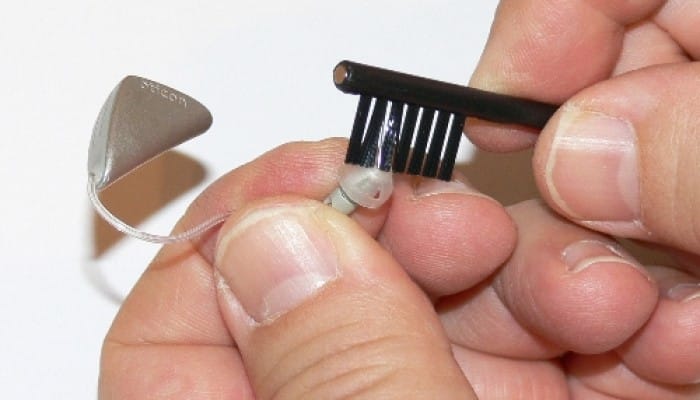
Cleaning Hearing Aids regularly can help this function efficiently and last longer. Our ears are closed spaces that aren’t cleaned as thoroughly as the rest of our bodies. Hearing aids are, therefore, susceptible to issues like moisture and earwax. These can affect the sound quality, battery life, and durability of the devices. Also, the affected