
 +91 98112 27269
Hearing Aids are available in six distinct styles.
The choice of which style is right for you depends on several factors such as the nature and degree of your hearing loss, features required to suit your listening needs, battery or rechargeable, and cosmetic requirements.
Ready-to-fit Hearing Aids

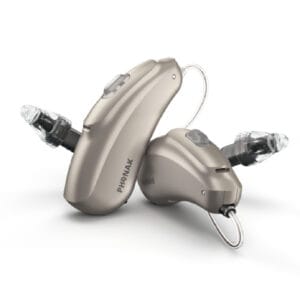
Receiver-in-Canal (RIC)
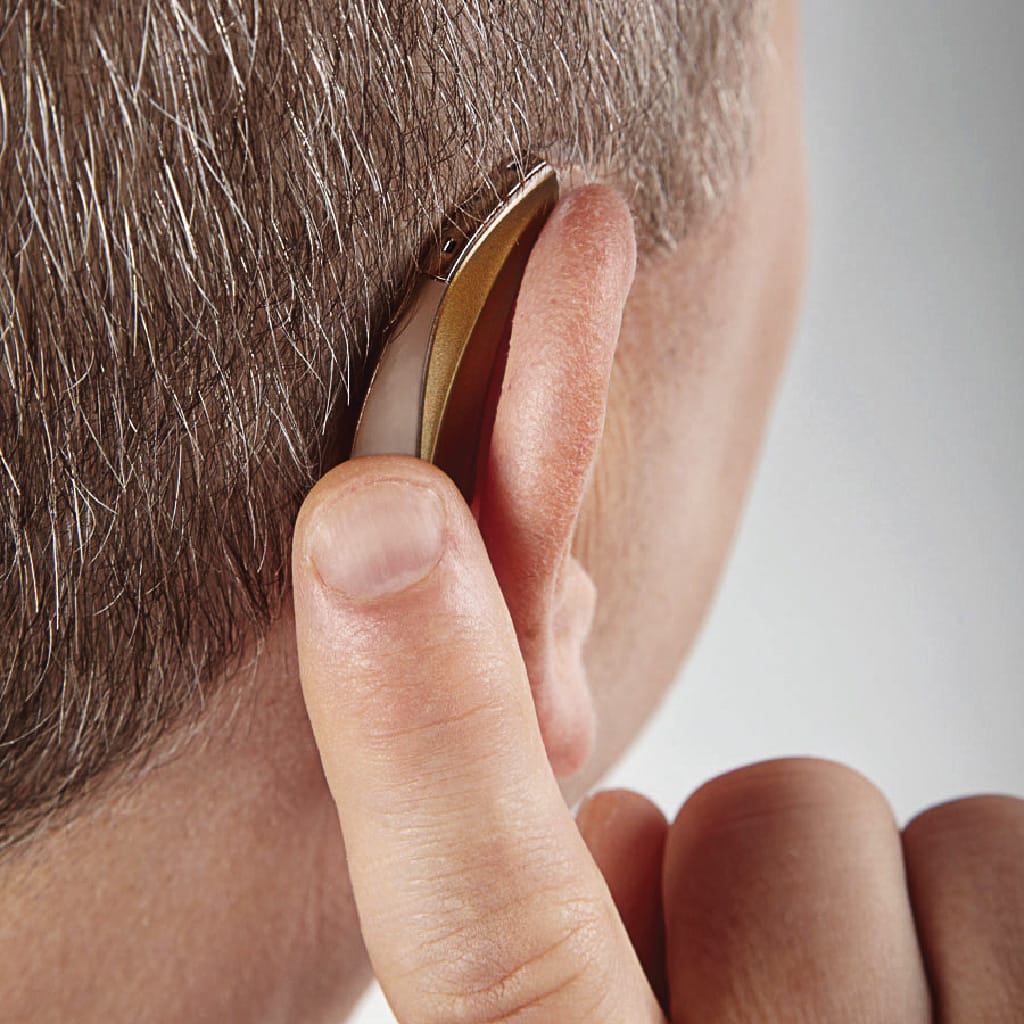
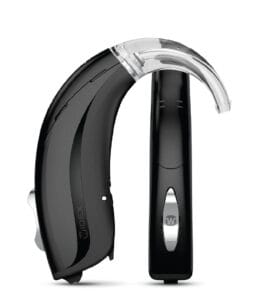
Behind-the-Ear (BTE)
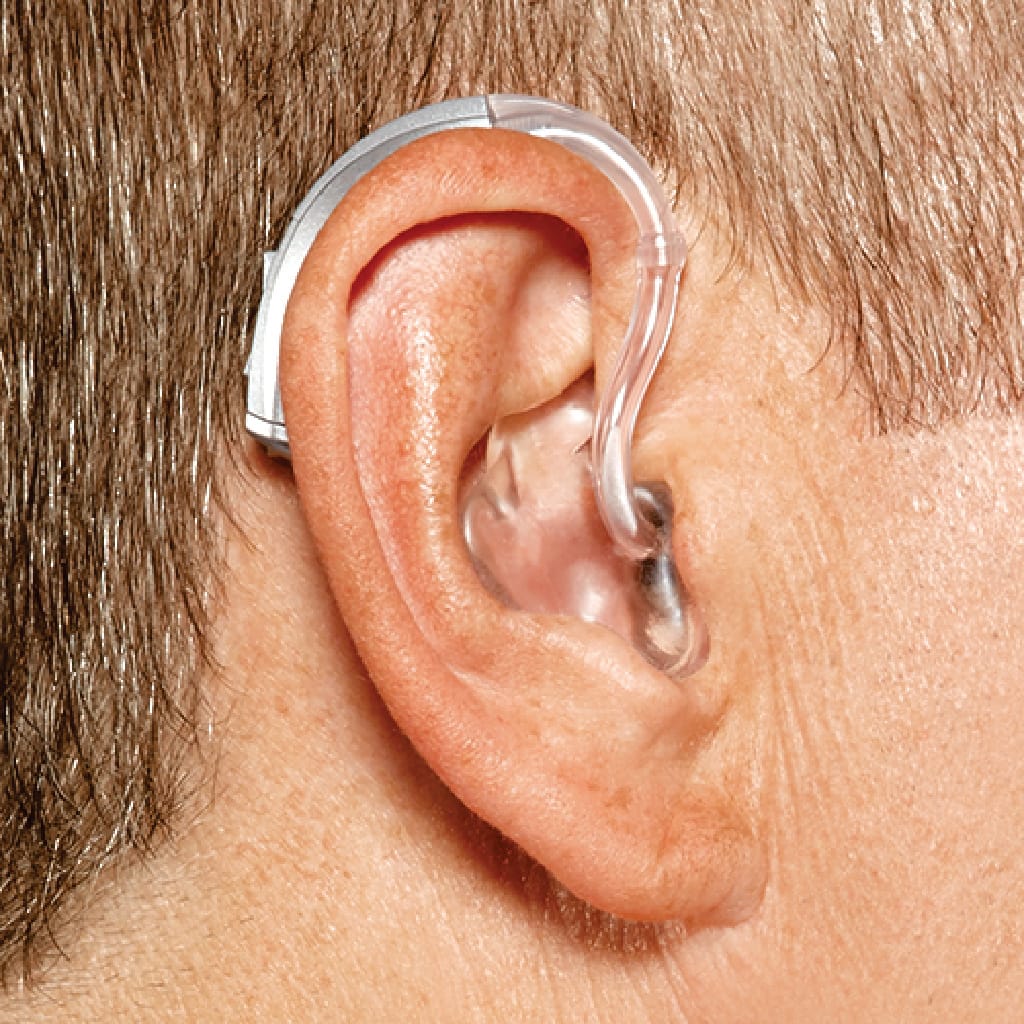
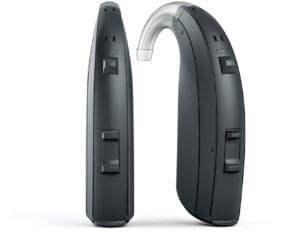
Power BTE
Custom Hearing Aids
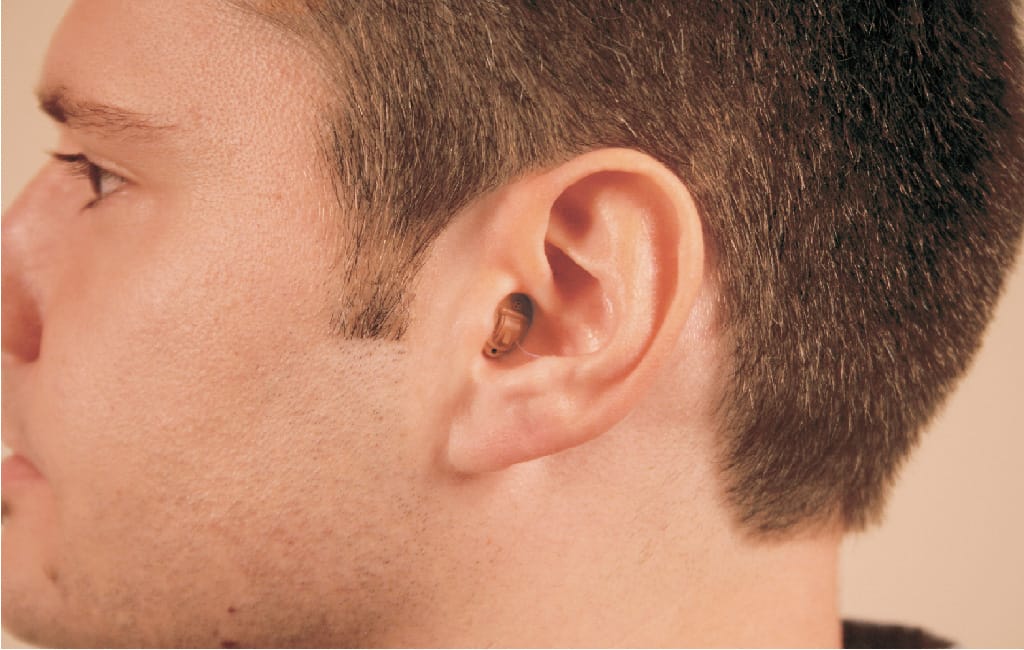
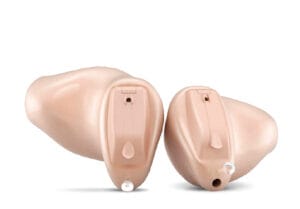
Completely-in-Canal (CIC)
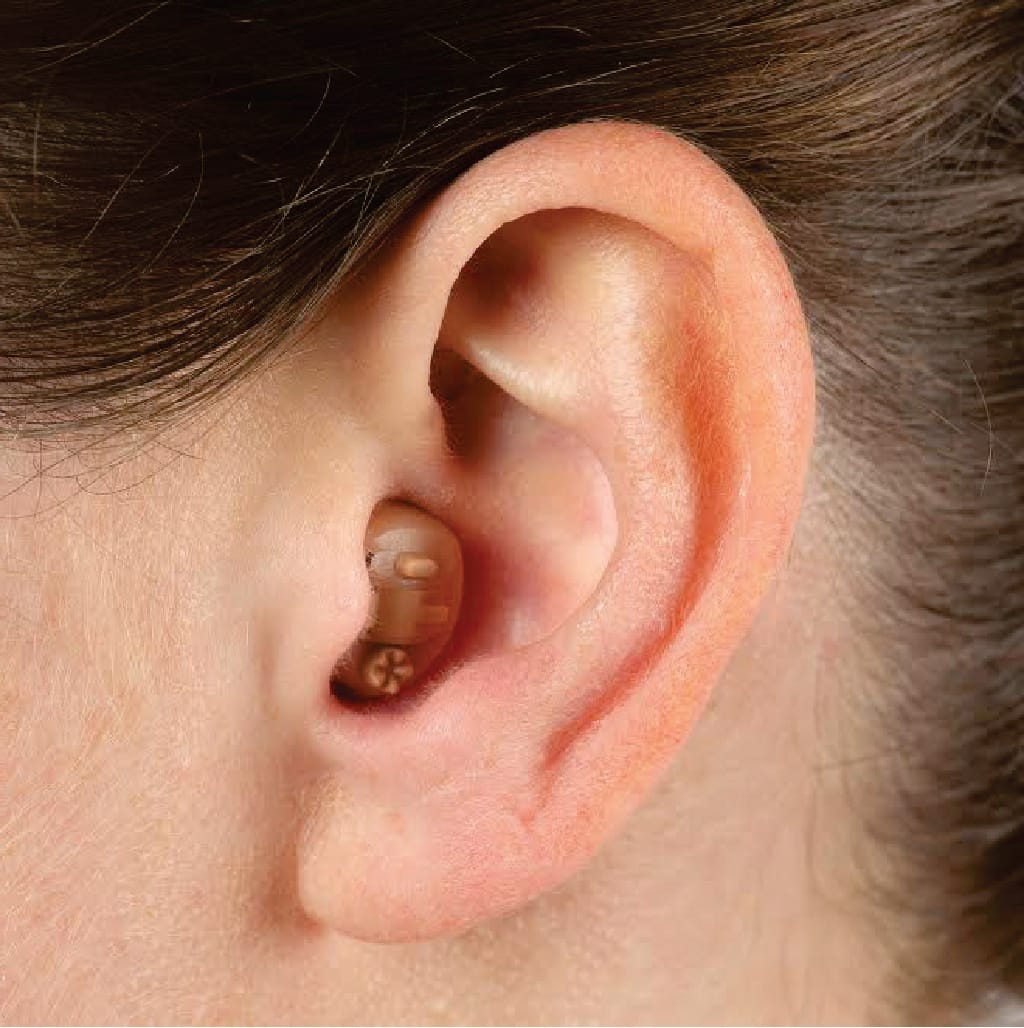
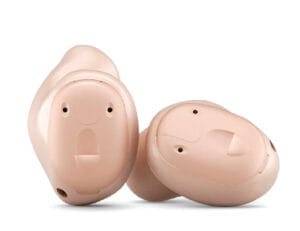
In-the-Canal (ITC)

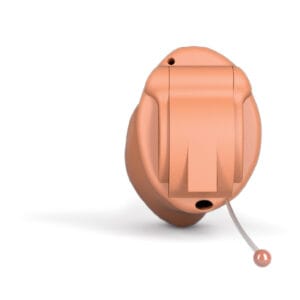
Invisible-in-the-Canal (IIC)
Watch the video explainer on Types of Hearing Aids
The 6 Different Types of Hearing Aids
1. Receiver-in-Canal (RIC) Hearing Aids
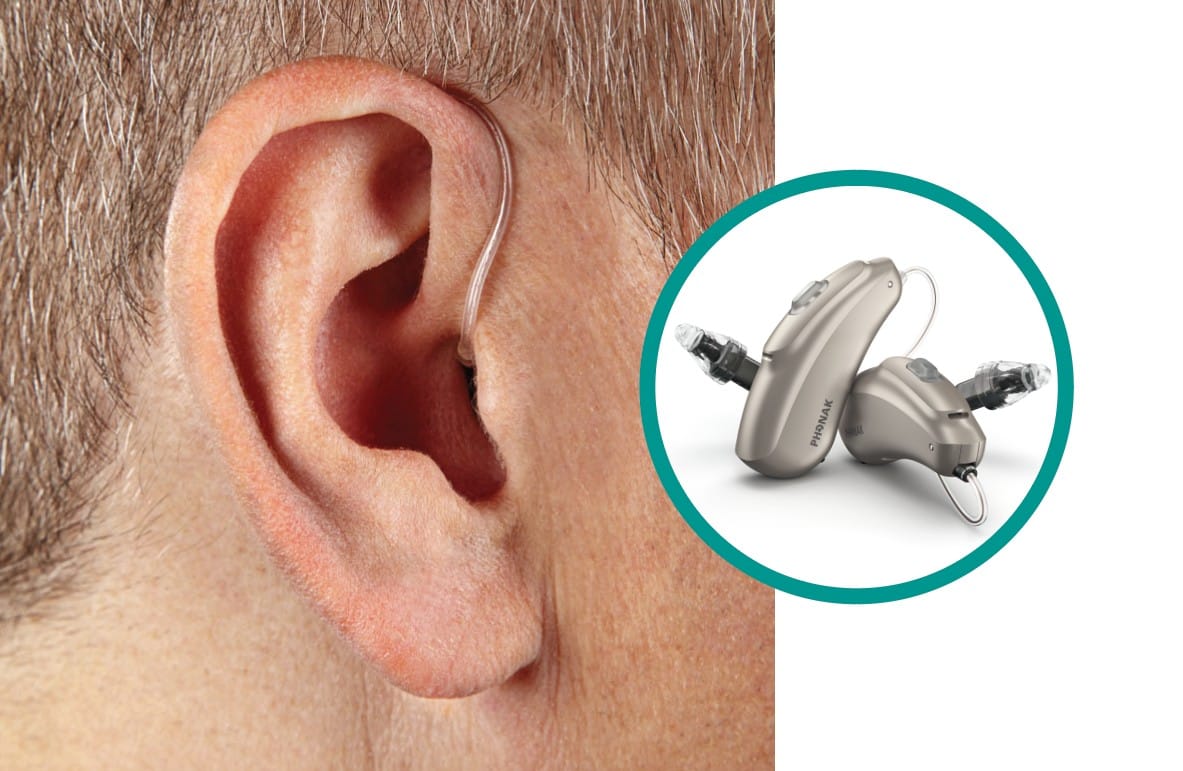
The ‘RIC’ type of hearing aid is today the most popular type of hearing aid, making up nearly 80% of hearing machines sold worldwide. They have a small unit behind the ear, a transparent wire that runs along the ear, and a receiver (speaker) that sits in the ear canal.
Key features:
- Covers mild to severe hearing losses
- Ideal for typical sloping hearing losses
- Cosmetically appealing
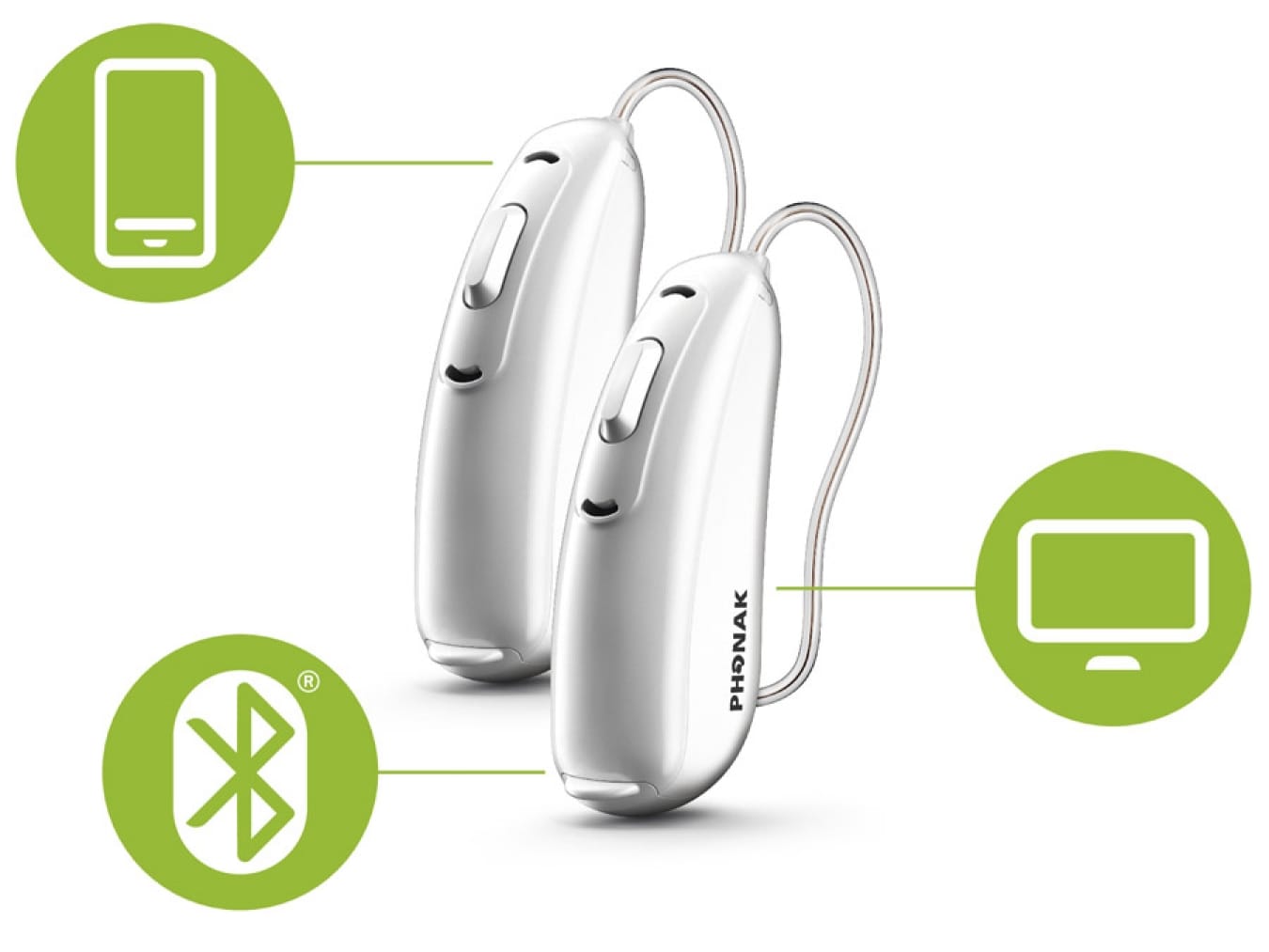
- Available with rechargeable and bluetooth technology
- Good for avoiding occlusion issues
2. Behind the Ear (BTE) Hearing Aids
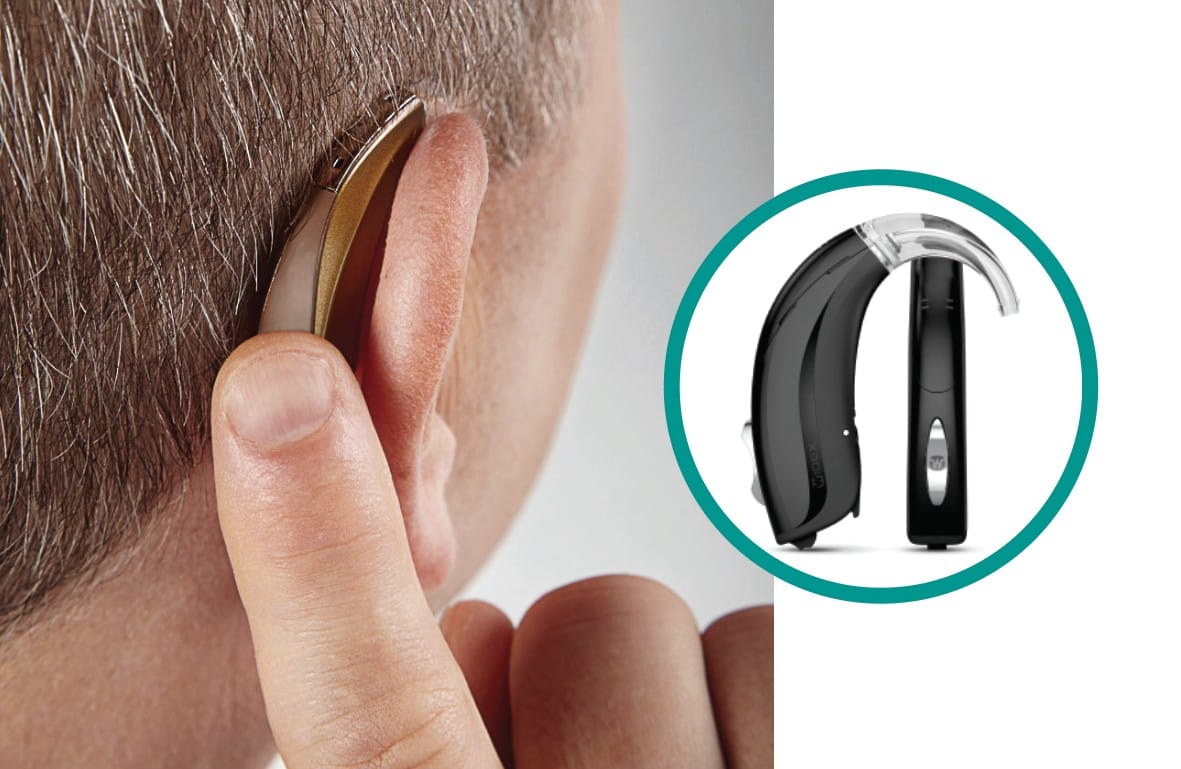
The traditional behind-the-ear hearing aid is a slightly bigger instrument that sits behind the ear. It has a durable outer housing that contains the microphone, amplifier and receiver. A tube transfers the sound from the hearing aid behind the ear to the canal through a mould or tip.
Key features:
- Good for moderate to severe hearing losses
- Can be used with thin tubes
- Visible owing to a larger size
- Easier to handle
- Available with rechargeable and bluetooth technology
3. Power Behind-the-Ear (BTE) Hearing Aids
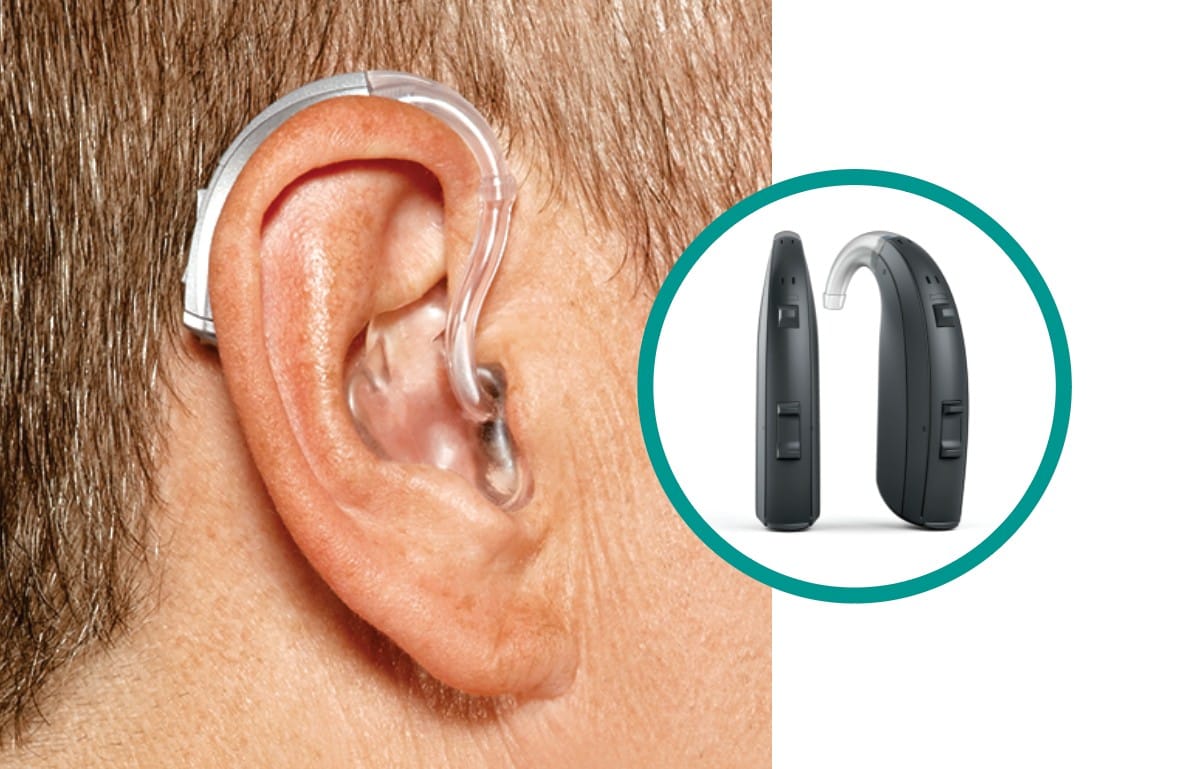
These are exactly the same as the BTE Hearing Aids before this, but are larger in size, and have a larger amplifier to cover up to profound hearing losses.
Key features:
- Good for severe to profound hearing losses
- Large in size
- Typically used with ear moulds made to size
- Useful for pediatric cases
- Available with rechargeable and bluetooth technology
4. Completely-in-Canal (CIC) Hearing Aids
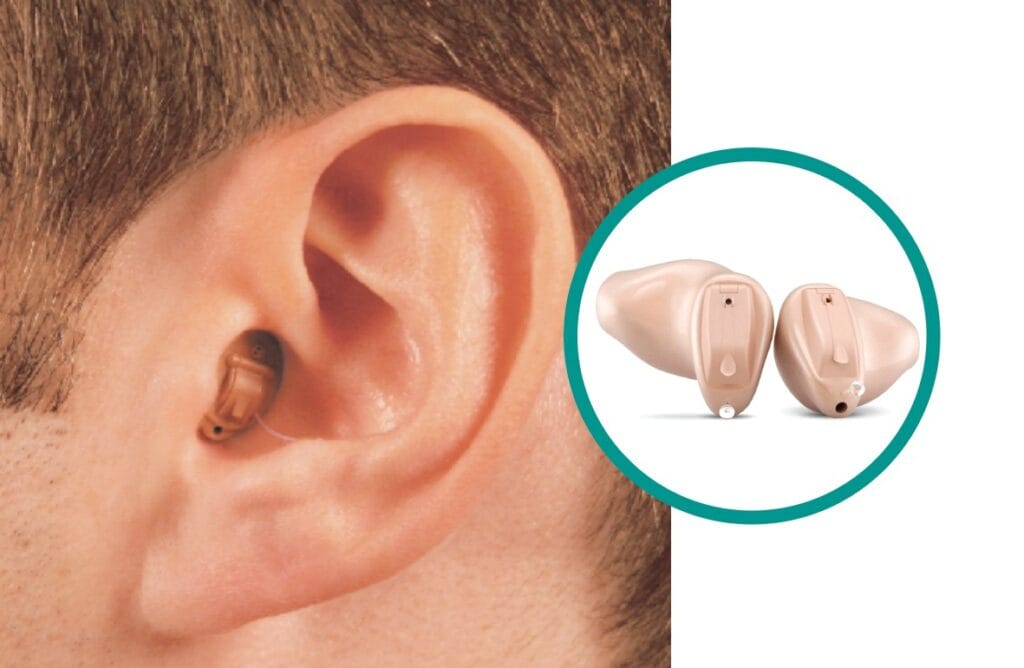
CIC hearing aid is custom-made on the basis of a deep impression taken of the patient’s ear. The depth at which the hearing aids are placed depends on the space available in the ear canal.
These are smaller than ITC hearing aids, but larger than IIC hearing aids.
Key features:
- Good for moderate hearing losses
- Small in size
- Shape is customized to your ear canal
- Single microphone only, but utilizes the ear pinna to collect sound
- Not recommended for pediatric cases
- Usually not available with rechargeable and bluetooth technology
- Small batteries last approx 4-6 days
5. In-the-Canal (ITC) Hearing Aids
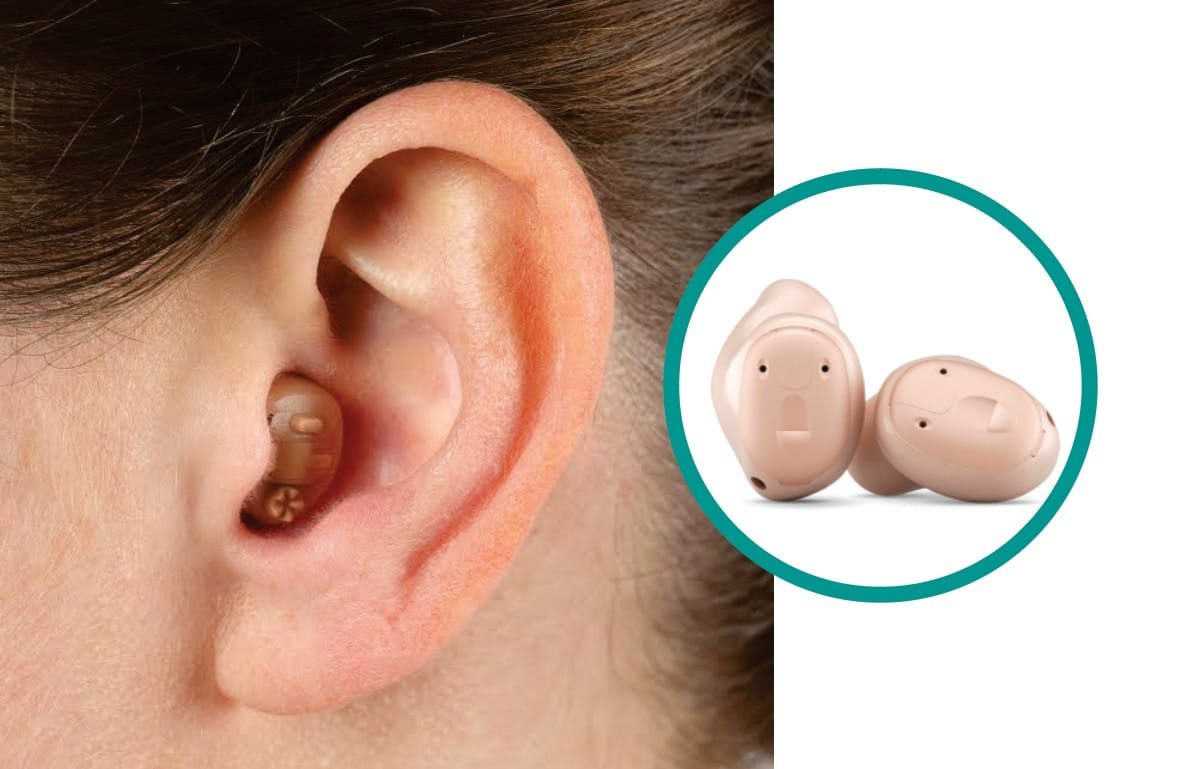
ITC hearing aids are slightly bigger in-canal hearing aids. They are made using ear impressions, and cover a higher degree of hearing loss than the CICs. They also have 2 microphones, rather than a single microphone as in CIC hearing aids.
Key features:
- Good for mild to severe hearing losses; not suitable for severe or profound cases
- Visible from the side, looks like a button in the ear
- Shape is customized to your ear canal
- 2 microphones for better directionality, but also utilize the ear pinna to collect sound
- Not recommended for pediatric cases
- Available in rechargeable as well as bluetooth technology for media streaming
6. Invisible-in-Canal (IIC) Hearing Aids
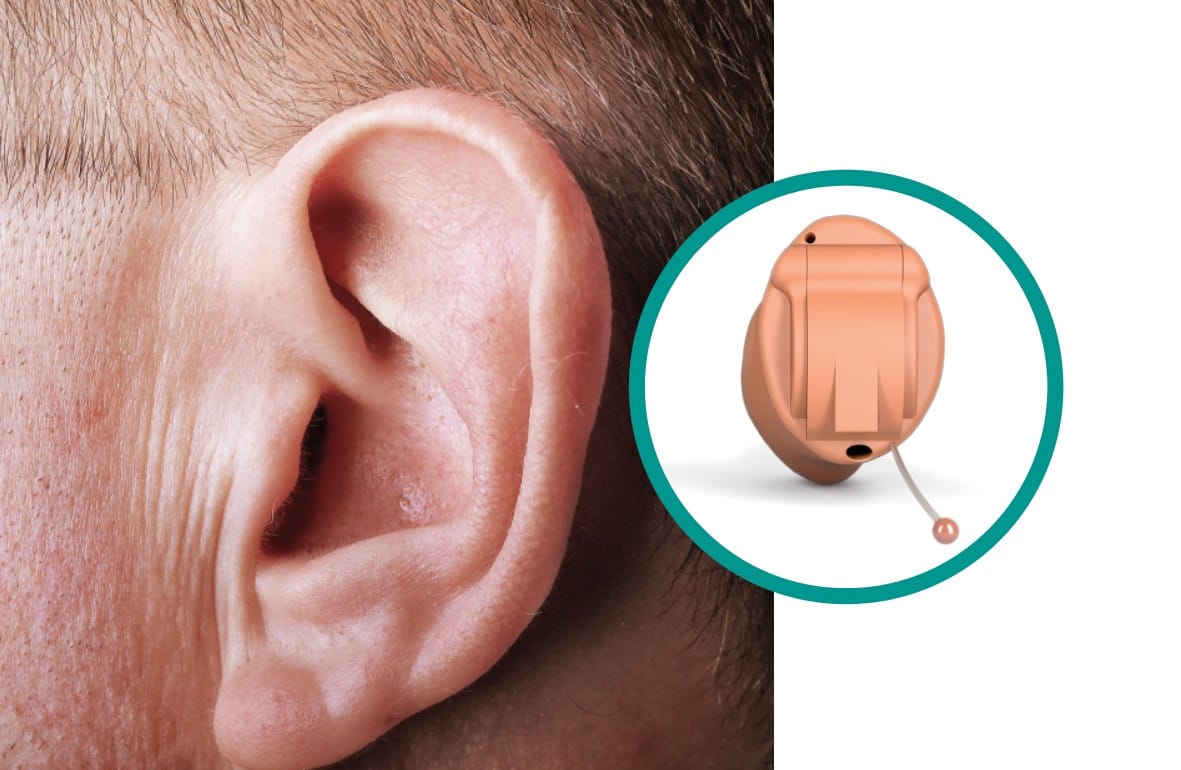
These tiny hearing aids are made using deep ear impressions up-to the 2nd bend. These are cosmetically very appealing to most, but can be difficult to manage for older patients, and not suitable to most hearing losses.
Key features:
- Good for mild to moderate hearing losses; not suitable for severe or profound cases
- Not visible, shape is customized to your ear canal
- Single microphone
- Not recommended for pediatric cases, or sloping hearing losses
- Suitability is also determined by the size of you ear canal (to fit the necessary electronics)
Frequently Asked Questions
Your audiologist would decide the suitable type(s) of hearing aids for you basis the nature of your hearing loss, and an otoscopy examination to evaluate the space available in your ear canal. Larger ear canals are usually more suitable for custom in-the-canal type of hearing aids.
Often the type of hearing aid is also decided on per the requirement of modern hearing aid features such as rechargeability or bluetooth compatibility.
No, an invisible or “tiny” hearing aid that sits deep inside the patient’s ear canal is not suitable to all hearing losses. It is usually not recommended for severe hearing loss, mild hearing losses, or sloping hearing loss or for patients with middle ear pathologies.
An invisible hearing aid is limited in the maximum output it can give you. IIC hearing machine can give a maximum of 75dB output, which is not suitable to cover many hearing losses.
Invisible hearing aids are not available in rechargeable or bluetooth technology. Only the Signia Rechargeable ready-to-fit ‘Silk’ model offers rechargeability.
The RIC (Receiver-in-Canal) type of hearing aid is by far the most popular type of hearing aid sold worldwide today. It offers several benefits:
i. Suitable for most hearing losses
ii. Feature rich
iii. 2 microphones
iv. Offers flexibility to the audiologist to change domes, receivers, etc
v. Easy to change receiver to suit changing hearing losses
vi. Rechargeable technology – read more about rechargeable hearing aids here (Link to Rechargeable hearing aids)
vii. Bluetooth technology read more about bluetooth hearing aids here (Link to Bluetooth hearing aids)
The cost of hearing aids varies based on the model, features, and level of customization required. Generally, digital hearing aids from global brands start at approximately ₹19,000 and can go up to ₹4,00,000 per instrument for advanced models with premium features. Here’s a breakdown to help you understand the different price segments:
Basic Models: Starting at ₹19,000 till ₹50,000, these models provide essential hearing support with high-quality sound and comfortable wear.
Models: Phonak Terra, Signia Prompt, Signia 1Ax, Widex Magnify
Mid-Range Models: Priced between ₹50,000 and ₹2,00,000, these models offer advanced features like Bluetooth connectivity, rechargeable batteries, and enhanced noise cancellation.
Models: Phonak Lumity 30, Lumity 50, Infinio 50, Signia Styletto 1Ax, 2Ax
Premium Models: Ranging from ₹2,00,000 to ₹4,00,000, these devices include the latest technology, artificial intelligence, active directionality, and premium features like dynamic sound processing, stereo-zoom, and multi-device connectivity.
Models: Phonak Infinio 70, Infinio 90, Signia Pure 3IX, 5IX, Silk 3IX, Widex SmartRIC, Moment 330, Moment 440.
See more detailed costs of hearing aids in India.
Popular Hearing Aid Technology

Analog vs Digital – What’s the Difference?
Read our blog to learn about the Difference between Analog and Digital hearing aids: https://www.centreforhearing.org/wiki/analog-vs-digital-hearing-aids-423
Watch the video to know the difference between Analog and Digital Hearing Aids: