
 +91 98112 27269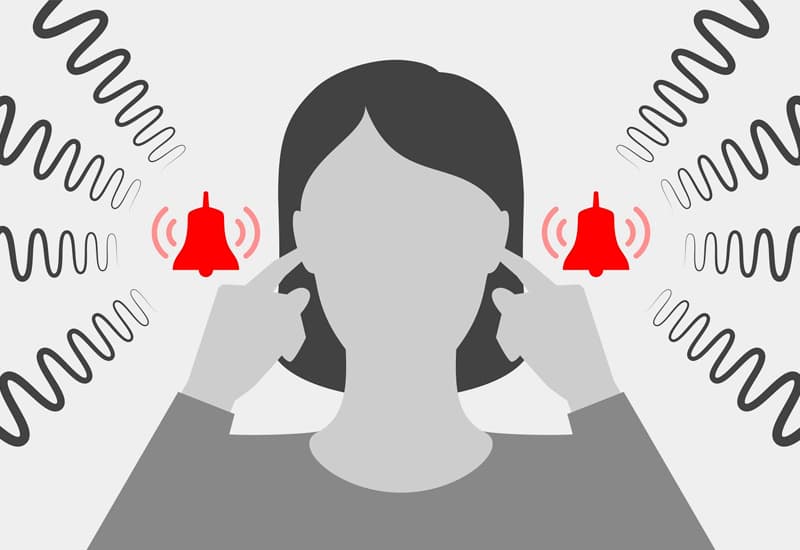
Tinnitus Management at Centre for Hearing
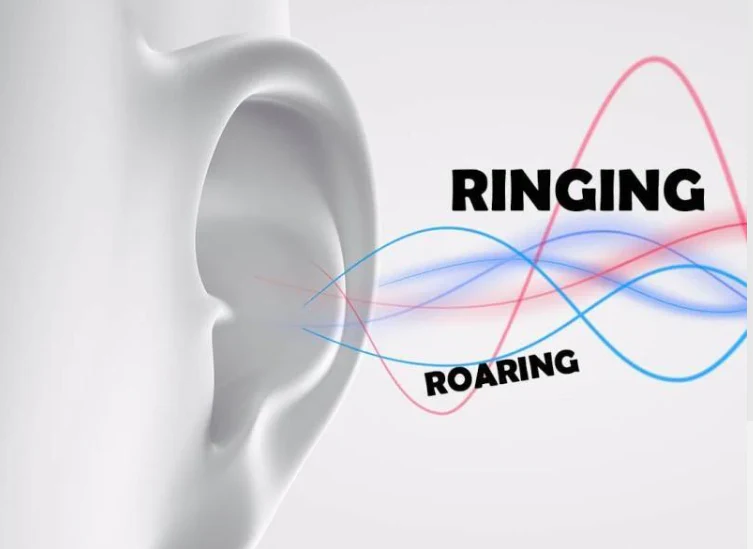
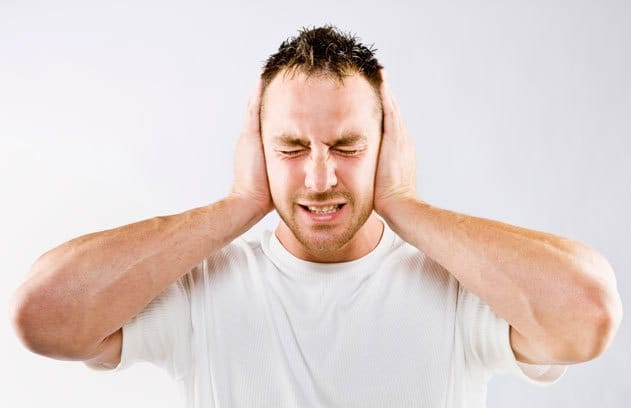
Tinnitus is the perception of ringing, buzzing, hissing, or clicking in the ears without any external source. It can affect one or both ears, may be constant or come and go — and for many, it’s more than just an inconvenience. It can interfere with sleep, focus, and overall well-being.
At Centre for Hearing, we run one of the few dedicated Tinnitus Management Centres in India, with specialised audiology professionals and proven treatment strategies tailored for each individual.
How Common Is Tinnitus?
Tinnitus affects around 10–15% of people worldwide. It often coexists with hearing loss but can also occur independently. With rising noise exposure and stress, tinnitus is becoming increasingly common — even among younger adults.
Understanding the Types and Causes of Tinnitus

Tinnitus is not a one-size-fits-all condition. In fact, identifying the type of tinnitus is the first critical step in deciding how to treat it. Broadly, tinnitus falls into two categories:
1. Subjective (Non-Pulsatile) Tinnitus
This is the most common type, linked to irregular activity in the brain’s sound-processing areas. The brain attempts to compensate for missing auditory input (such as from hearing loss), resulting in phantom sounds. It can present as ringing, tones, static, or high-frequency whistles—and may change in pitch over time.
Common Triggers for Non-Pulsatile Tinnitus
- Age-related hearing loss
- Noise-induced hearing damage
- Ear infections or inner ear disorders
- Ototoxic medications
- Jaw misalignment or muscle tension
People with sensorineural hearing loss often report tinnitus. With damaged or missing inner ear hair cells, the hearing nerve lacks sufficient input, and the brain “fills in the gap” with internally generated noise.
2. Objective (Pulsatile) Tinnitus
Far less common, this type is often vascular in origin. People hear a rhythmic sound in sync with their heartbeat—typically due to turbulent blood flow in nearby vessels. Pulsatile tinnitus may be caused by vascular anomalies, tumors, or other circulatory system issues, and should always be medically investigated.
Common Triggers for Pulsatile Tinnitus
- Abnormal blood vessels near the ear
- Vascular tumors
- Increased pressure in the brain or head trauma
- Arteriovenous fistula (abnormal artery-vein connection)
Changes in blood vessel flexibility can narrow the passage for blood flow, creating audible turbulence—similar to how water makes a noise when squeezed through a narrow hose.
When to Seek Medical Help
Occasional tinnitus is common and usually not serious. However, immediate attention is recommended if you experience:
- Tinnitus only in one ear
- Tinnitus along with hearing loss, dizziness, or headaches
- Pulsatile sounds in rhythm with your heartbeat
- Sudden onset of moderate to severe tinnitus
These symptoms may indicate underlying neurological or vascular issues and could require hearing tests, ENT evaluation, or even imaging (MRI or CT) to rule out conditions like acoustic neuroma or sudden sensorineural hearing loss (SSNHL).
Our Structured Tinnitus Treatment Approach
At Centre for Hearing®, our team is trained in tinnitus intervention by a leading Danish institute. We follow a step-by-step process:
1. In-Depth Case History
We evaluate your lifestyle, health background, and symptom profile to pinpoint contributing factors.
2. Tinnitus Typing & Matching
We classify the tinnitus as pulsatile or non-pulsatile, and then conduct tinnitus matching tests to determine the pitch and volume—essential for planning appropriate therapy.
3. Personalised Counselling
Understanding tinnitus is half the battle. Our team provides structured counselling to help patients manage anxiety, fear, or stress associated with the condition.
Tinnitus Treatment Options We Offer
We provide evidence-based interventions that can help manage and reduce tinnitus perception.
Tinnitus Retraining Therapy (TRT)
A combination of sound therapy and counselling, TRT aims to retrain your brain to filter out the tinnitus sound. Over time, your awareness of the sound fades into the background.
Sound Therapy, Tinnitus Maskers & Zen Tones
We offer multiple sound-based solutions:
- Tinnitus Maskers integrated into hearing aids
- Zen Fractal Tones – non-repetitive, soothing sounds to promote relaxation
- White noise and ambient sound therapy to ease tinnitus perception
Hearing Aids with Tinnitus Masking
For those who also have hearing loss, we provide advanced hearing aids with built-in tinnitus masking features (also known as Tinnitus Maskers). These devices amplify ambient sounds and reduce the contrast between external noise and your internal ringing, offering relief.
Frequently Asked Questions (FAQs)
Tinnitus & Treatment in India
Non-pulsatile tinnitus is a constant or fluctuating internal sound often linked to hearing loss.
Pulsatile tinnitus is rhythmic and matches your heartbeat—often due to blood flow issues. Pulsatile tinnitus needs medical evaluation to rule out vascular causes.
There is no single cure, but effective treatment options include Tinnitus Retraining Therapy (TRT), sound therapy using tinnitus maskers, counselling, and hearing aids with masking features. The right option depends on your specific symptoms and underlying causes.
Centre For Hearing’s Delhi and Gurugram clinics offer a full range of tinnitus services—from diagnosis and tinnitus matching to customised therapies like TRT and tinnitus maskers. Consultations are free and handled by trained audiologists.
Centre for Hearing offers dedicated tinnitus management services in Chandigarh.
Audiology professionals here are specialised in tinnitus diagnosis and treatment, including TRT, tinnitus matching, counselling, and tinnitus masking devices.
Tinnitus maskers are sound-generating devices, often built into hearing aids, that produce low-level background noise or soothing tones. These sounds help reduce the contrast between your tinnitus and silence, making the ringing less noticeable.
Not always. But if tinnitus coexists with hearing loss, hearing aids with tinnitus masking features can be extremely helpful in reducing the perception of the sound.
Not always. While tinnitus often coexists with sensorineural hearing loss, it can also be caused by muscular issues, jaw problems, head injury, or stress. A proper diagnosis is essential.
Why Choose Centre for Hearing for Tinnitus?
- Among the few specialised tinnitus treatment centres in India
- Locations across Delhi, Gurgaon, Chandigarh, Ludhiana, and Jalandhar
- Audiologists trained in Tinnitus Interventions by a reputed Danish institute
- Structured approach with tinnitus matching and counselling
- Customised treatment plans and ongoing care
Struggling with Tinnitus?
Book a free tinnitus consultation today. Take the first step towards relief. While tinnitus can often coexist with other hearing loss, it can also be caused by muscular issues, jaw problems, head injury, or stress. A proper diagnosis is essential.
Explore More

Get support and advice
Request an appointment
Take an online hearing test
Find a clinic near you