 +91 98112 27269
Does Your Child Have Hearing Loss? Know the Signs! Hearing loss can be hard to detect, especially in infants and toddlers. Watch for these early warning signs
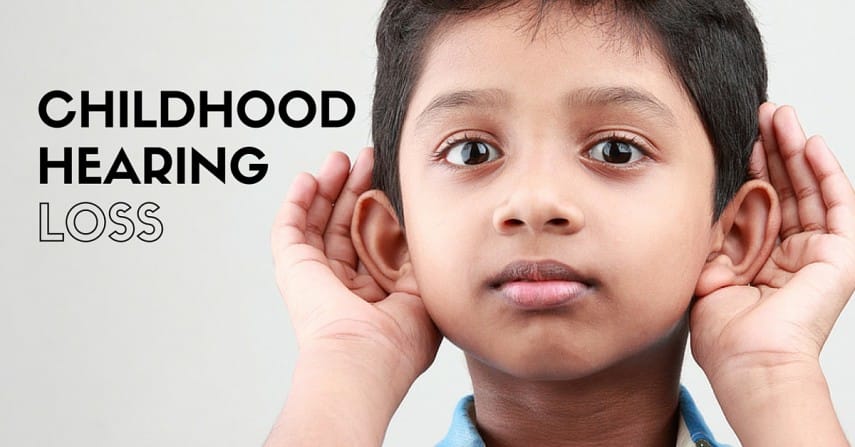
Understanding Childhood Hearing Loss
Hearing plays a crucial role in your child’s speech, language, and cognitive development. The possibility of hearing loss in children is more common than many parents realize. Early detection and intervention are critical to ensure that children with hearing difficulties can be provided a normal life with mainstreamed schooling, and to lead fulfilling lives.
Nearly 2 in 1000 children are born with a disabling hearing loss. In India, thousands of newborns and young children are affected each year due to several factors such as genetic factors, infections, birth complications, or environmental causes.
Signs of Hearing Loss in Children
Hearing loss in children is often difficult to identify, especially in infants and toddlers who have not yet developed speech. Parents and caregivers should watch out for some age-appropriate milestones from the list below. In case of any milestones which your child is not keeping up with, you should consider visiting your paediatrician or paediatric audiologist.
In Infants (0–1 year)
- The child should startle at loud sounds
- The child should respond to familiar voices or sounds
- Should start babbling
- Reacts to some familiar sounds with neck and eye movements
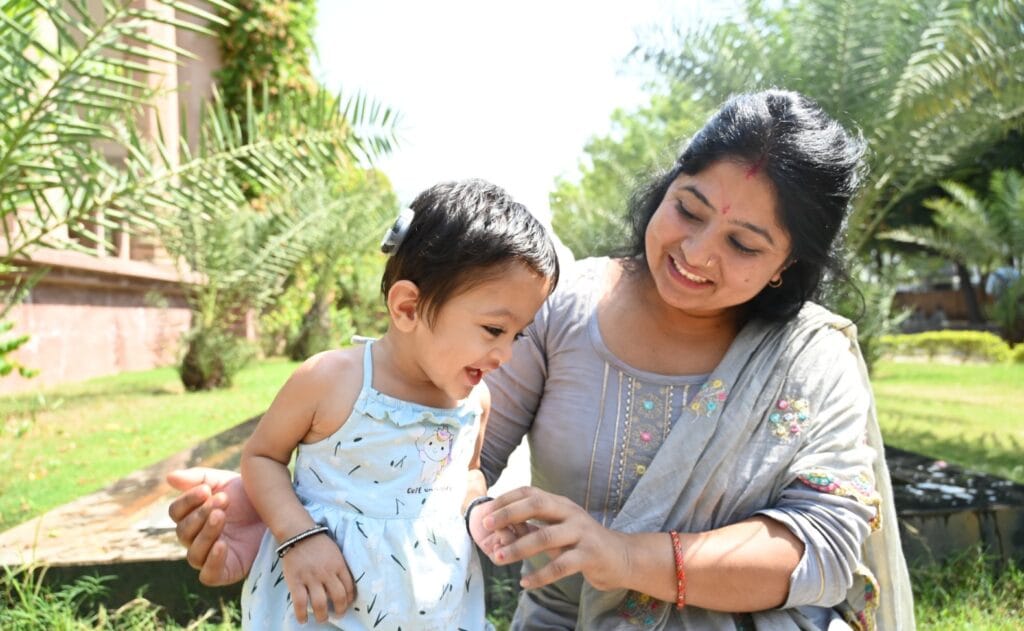
In Toddlers (1–3 years)
- Should speak basic words with a vocabulary up to 20 words. If not noticed, it could indicate delayed speech and language development
- Should be able to follow basic verbal instructions
- Should not be frequently requiring repetition or saying “what?” or “hain?”
In Older Children (3+ years)
- Clear speech – should not mispronounce words. Watch out for unclear speech
- Should not struggle following conversations, especially in noisy environments
- Should not require frequent repetition
Important note: A hearing problem need not necessarily imply complete deafness. The child or infant might hear some sounds or respond to certain voices, but doesn’t seem attentive to other sounds. This might indicate that the child has a mild or moderate hearing loss. On occasion, the child might simply have an outer or middle ear pathology which can easily be resolved with medication or ear cleaning. It is important to address the condition at the earliest so that the child gets the necessary stimulation for their brain to grow during this neuroplastic age of child development
If you notice any of these signs in your child, a hearing evaluation is strongly recommended. Schedule a detailed hearing evaluation for your child at Centre for Hearing®
Causes of Hearing Loss in Children
There are several factors that can contribute to hearing loss in children, broadly classified into congenital (present at birth) and acquired (develops after birth).
Congenital Causes (Present at Birth)

- Genetic Factors: Nearly 80% of babies born with hearing loss are owing to genetic factors
- Post-natal or Birth Complications: Low birth weight, premature birth, lack of oxygen, or NICU stays may sometimes lead to hearing loss
- Maternal Infections during the prenatal period: Conditions like rubella, cytomegalovirus (CMV), syphilis, etc during pregnancy can affect a baby’s hearing
- Structural Ear Abnormalities: Some infants are born with malformed ear structures – these are easily identified at the time of OAE Screening of the child
Acquired Causes (Develops After Birth)
- Ear Infections (such as Otitis Media): Frequent middle ear infections can lead to a temporary or permanent hearing loss
- Meningitis or Measles: Some childhood illnesses may damage the inner ear (cochlear) or the auditory nerve
- Ototoxic Medications: Certain medications are known to be oto-toxic i.e. harmful to the ear such as antibiotics, chemotherapy drugs, or high doses of aspirin
- Excessive Exposure to Loud Noise: Extended periods of exposure to loud sounds (e.g. loud music, loud street or construction noise) could lead to noise-induced hearing loss.
- Head Trauma: Injuries to the head or ear can cause temporary or permanent hearing issues.
Types of Hearing Loss in Children
1. Conductive Hearing Loss
- Related to the outer or middle ear
- Common causes are buildup of earwax, fluid in the middle ear, perforated eardrums, or malformed ear structures
- Often treated with medication, or surgery. In certain cases, hearing aids too might be suggested
2. Sensorineural Hearing Loss (SNHL)
- Caused by damage to the inner ear or cochlea
- Common causes are genetic factors, infections, exposure to loud noise, or certain ototoxic medications
- Hearing aids or cochlear implants help in case of SNHL
3. Mixed Hearing Loss
- A mix of conductive and sensorineural hearing loss i.e. it affects the middle ear as well as the inner ear (cochlear)
- Requires a comprehensive battery of diagnostic tests to diagnose. This would include PTA, Tympanometry, BERA at the very least. A Hearing Aid Trial too is would often be suggested
- Often your ENT would suggest a different approach to correcting the conductive component and hearing aids for the SNHL component
Diagnosis & Hearing Tests for Children
Early diagnosis is critical for effective treatment. A child’s hearing ability can be evaluated through several specialized tests available only at certain hospitals or dedicated paediatric audiology centres. These tests are:
- Oto-Acoustic Emissions (OAE) – Measures inner ear (cochlear) response to sound. Mandatory in many hospitals to detect hearing loss at birth. Cost of OAE Test for children is within the range of Rs.1000 to Rs.2,000 in India
- Auditory Brainstem Response (ABR) (better known in India as the BERA Test – Brain Evoked Response Audiometry) – Evaluates how the brain processes sound. The child needs to be sedated and takes upto 2 hours to conduct the test once the child is asleep. Cost of the BERA Test is within the range of Rs.5,000 to Rs.6,500 in India
- Behavioral Audiometry (BoA) – Observes a child’s response to different sounds in the clinic. BOA tests cost approx Rs.1,000 in India
- Pure Tone Audiometry (PTA) & Speech Testing – Used for older children who can understand instructions to assess hearing thresholds. Pure Tone Audiometry (PTA) costs between Rs.800 to Rs.2,000 depending on the techniques required.
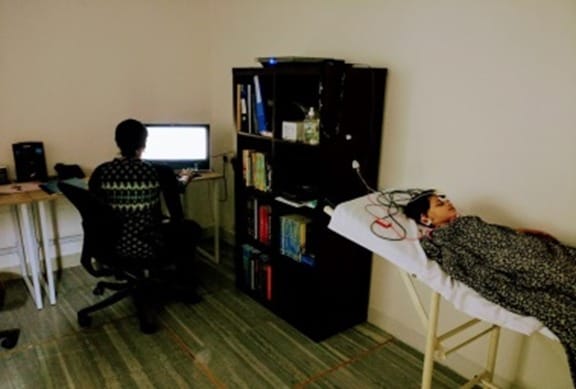
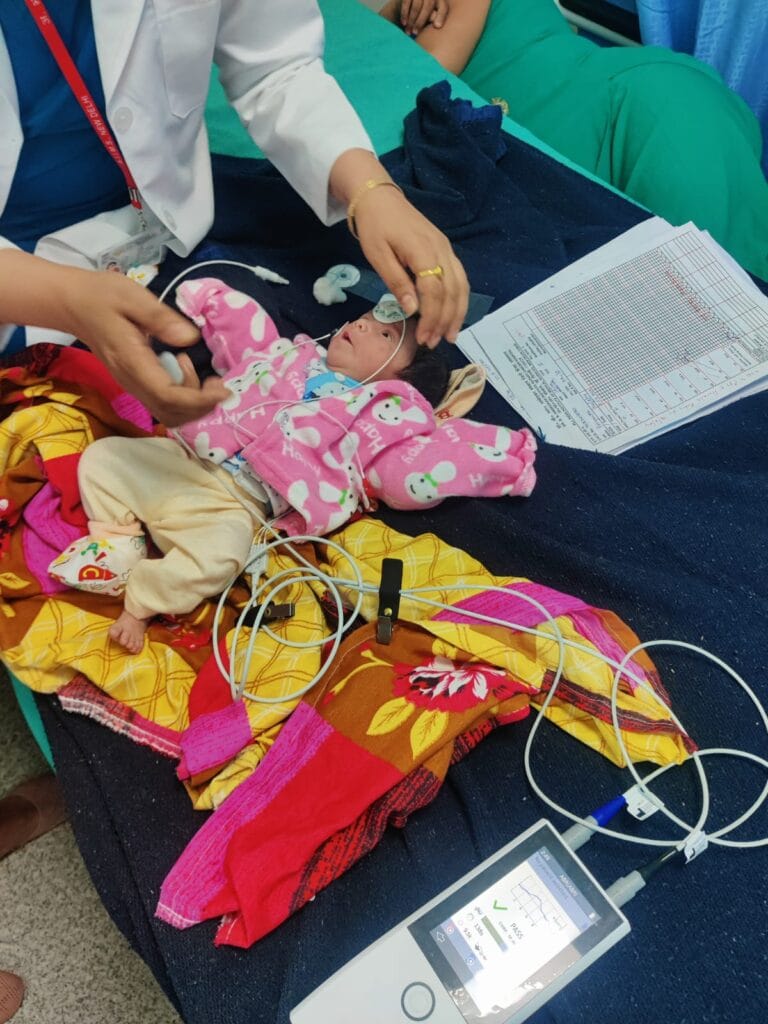
BERA/ABR Test for children
Read our section on Hearing Tests & Diagnosis for more on each of these tests.
If your child has not had a hearing screening within the first year, book an appointment today. Early intervention can change lives!
All these hearing tests for children, and more are conducted by our expert pediatric audiologists at Centre for Hearing®
Treatment & Solutions for Childhood Hearing Loss
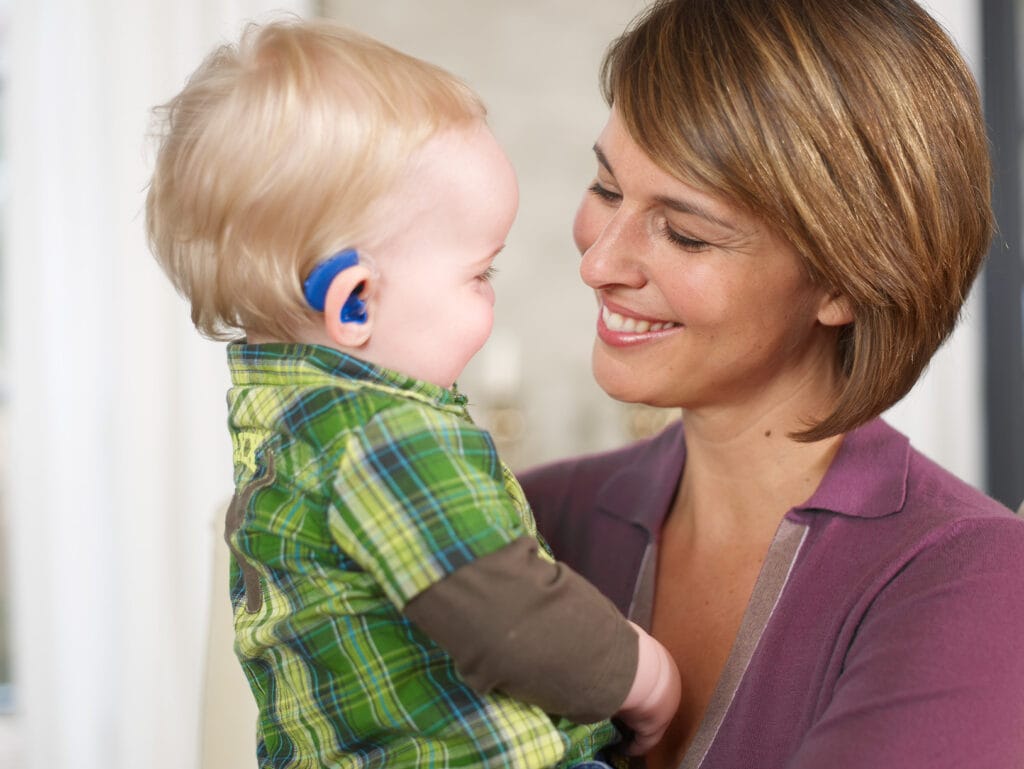
The appropriate treatment for your child suffering from hearing loss depends on the cause and severity of hearing loss. Options available are:
- Hearing Aids: Suitable for mild to profound hearing losses
- Cochlear Implants: For children suffering from severe or profound hearing loss
- Speech Therapy & Auditory Training: Helps children overcome speech impediments
- Surgical Interventions: For certain chronic infections or malformed ears
Further reading on Cochear Implants ⟶
At Centre for Hearing®, we specialize in early detection, treatment, and personalized hearing solutions for children. Schedule a consultation today.
Why Choose Centre for Hearing® for Your Child’s Hearing Care?
- Trusted Experts: With over 50 years of experience, our paediatric audiologists specialise in child-friendly hearing assessments
- Advanced Technology: State-of-the-art clinics with only the best European diagnostic equipment is used at our centres
- Comprehensive Support: A one-stop-clinic for all your hearing needs – from diagnosis to treatment and speech therapy
- Family-Centered Care: We believe we need to partner with the parents of hearing impaired childre for every step of the way to obtain better outcomes
Frequently Asked Questions About Hearing Loss in Children
Some cases (e.g., ear infections, fluid buildup) are treatable with medication or surgery; while for permanent hearing loss you would need to look at hearing aids or cochlear implants.
Most hospitals conduct newborn hearing screenings at the time of delivery, but if your baby does not react to loud sounds or struggles with speech development, a visit to a good paediatric audiologist at the earliest is recommended.
Yes! With early identification and intervention, children with hearing loss can be mainstreamed into regular schools and lead normal lives.
Yes! With early identification and intervention, children with profound hearing loss can also attend mainstream schools and lead normal lives. However, it does require very active involvement of the parents at this stage.
Your audiologist and ENT doctor are the right people to recommend which intervention is suitable for your child. This depends on factors such as degree of hearing loss, age of the child, psychological and other medical factors, access to rehabilitation facilities nearby, etc.
By and large, if the child does not have other complications, hearing aids are tried on the child first. Usually, only where hearing aids don’t work, are cochlear implants recommended.
Yes! The earlier the cochlear implant surgery, the higher the chances of success. For pre-lingual candidates, the surgery can be done as early as 10-11 months. Results are best if operated before 3 years of age, but surgeons do consider and get positive outcomes for children up-to 5-6 years of age. The reason for the better results is neuroplasticity in children is the best in these formative years.
Yes! Speech has a direct correlation with what one hears. All speech problems are not attributable to hearing loss, but if the child doesn’t hear certain sounds, he/she cannot be expected to make the same sounds.
Take the First Step – Get Your Child’s Hearing Checked Today!
Hearing loss should never be a barrier to your child’s growth. Early detection and the right support can make a world of difference. Book a free hearing test now!
Explore More
Get support and advice
Request an appointment
Take an online hearing test
Find a clinic near you