 +91 98112 27269
What are Bone Conduction Hearing Aids?
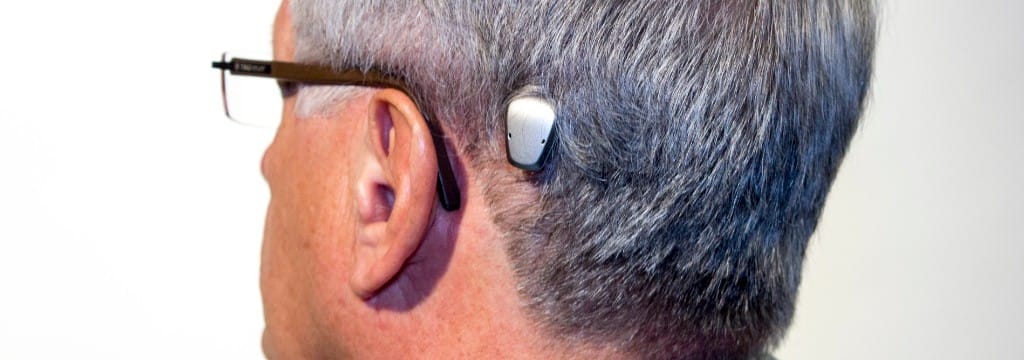
Unlike traditional hearing aids that amplify sound through the ear canal, bone conduction devices transmit sound vibrations directly to the inner ear through the bones of the skull. This method can be particularly beneficial for individuals with conductive hearing loss, mixed hearing loss, or unilateral hearing loss (single-sided deafness).
How Do Bone Conduction Hearing Aids Work?
Bone conduction hearing aids use a small vibrator or bone oscillator that is placed on the mastoid bone behind the ear. This device converts sound into vibrations, which are then transmitted through the bones to the inner ear, bypassing the outer and middle ear. The inner ear then converts these vibrations into neural signals, which are processed by the brain as sound. This direct pathway allows for clearer sound perception, even in noisy environments.
Candidacy for Bone Conduction Hearing Aids
Determining if Bone Conduction Hearing Aids Are Right for You
Bone conduction hearing aids offer a transformative solution for individuals with specific types of hearing loss, including those with microtia and atresia. Understanding your candidacy for these devices involves assessing your hearing needs and medical condition.
Who Can Benefit from Bone Conduction Hearing Aids?
- Conductive Hearing Loss:
- Microtia: This congenital condition involves an underdeveloped or absent outer ear, making traditional hearing aids difficult or impossible to use. Bone conduction hearing aids are an ideal solution for individuals with microtia, as they can be easily worn on a softband or surgically implanted fixture to bypass the absent outer ear.
- Atresia: This condition refers to a completely closed ear canal. Bone conduction hearing aids can effectively transmit sound vibrations through the skull bone directly to the cochlea, bypassing the closed ear canal.
- Chronic Ear Infections or Otitis Media: Individuals with recurrent ear infections or persistent otitis media may also benefit from bone conduction hearing aids. These conditions can cause discomfort or hearing loss with traditional hearing aids, but bone conduction devices avoid this by not requiring an open ear canal.
- Single-Sided Deafness (SSD):
- For those with SSD, bone conduction hearing aids provide a solution to aid sound localization and improve auditory experiences by transmitting sound from the deaf ear to the better-hearing ear. This can enhance communication and listening comfort in everyday situations.
- Mixed Hearing Loss:
- Bone conduction hearing aids can also help individuals with mixed hearing loss, where both the inner and middle ear are affected. These devices provide amplification directly to the inner ear through bone conduction, aiding in clear sound perception.
Choosing the Right Bone Conduction Hearing Aid
The suitability of bone conduction hearing aids depends on several factors:
- Medical History: A thorough evaluation by an audiologist is crucial to determine if bone conduction hearing aids are appropriate based on your specific type of hearing loss and overall health.
- Lifestyle: Consider your daily activities, whether you need a non-surgical option like a softband or a more permanent solution like a surgically implanted bone-anchored hearing system.
- Preferences: Some individuals may prefer the comfort and convenience of a non-surgical system, while others might opt for the reliability and discretion of a surgically implanted bone conduction device.
Special Cases: Microtia and Atresia
For individuals with microtia or atresia, bone conduction hearing aids offer a lifeline. These congenital conditions create significant challenges for hearing aid fitting and use. Bone conduction hearing aids can be worn on a softband or fixed with a magnetic abutment for a BAHA (Bone-Anchored Hearing Aid), providing a clear pathway for sound transmission and enhancing hearing ability. These devices help in sound localization and clarity, significantly improving communication for those with microtia and atresia.
Bone conduction solutions are available in both surgical and non-surgical options.
Non-Surgical Options
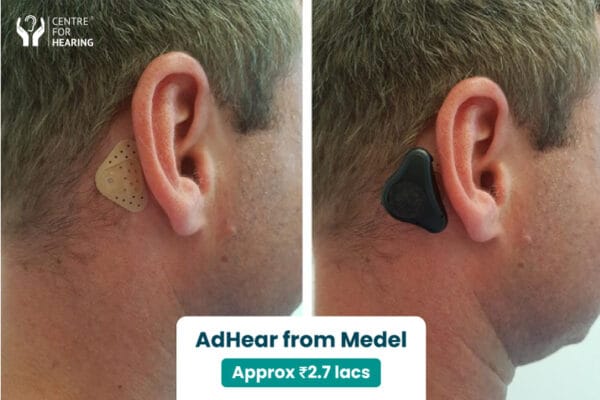
1. Adhesive-based AdHear from MED-EL
- Type: Non-Surgical
- Description: AdHear is a comfortable, adhesive-based bone conduction solution that offers effectiveness without the need for surgery. It is perfect for individuals seeking a hassle-free option. Its discreet design allows for easy daily wear.
- Price: ₹2,60,000
- Location: Available in major Indian cities like Delhi, Chandigarh, and Gurgaon.
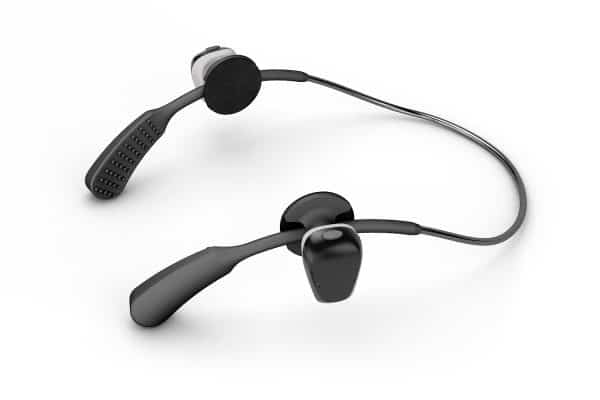
2. Bone Conduction Headband – BAHA Arc or BAHA Headband
- Type: Non-Surgical
- Description: These headband-style devices are ideal for users looking for a temporary or non-permanent solution. They fit comfortably over the head and are particularly popular in fashion-conscious cities like Delhi, Chandigarh, and Gurgaon.
- Price: ₹4,20,000
- Location: Available in major Indian cities, including Delhi, Chandigarh, and Gurgaon.
3. Spectacle-based Bone Conduction Hearing Devices from BHM
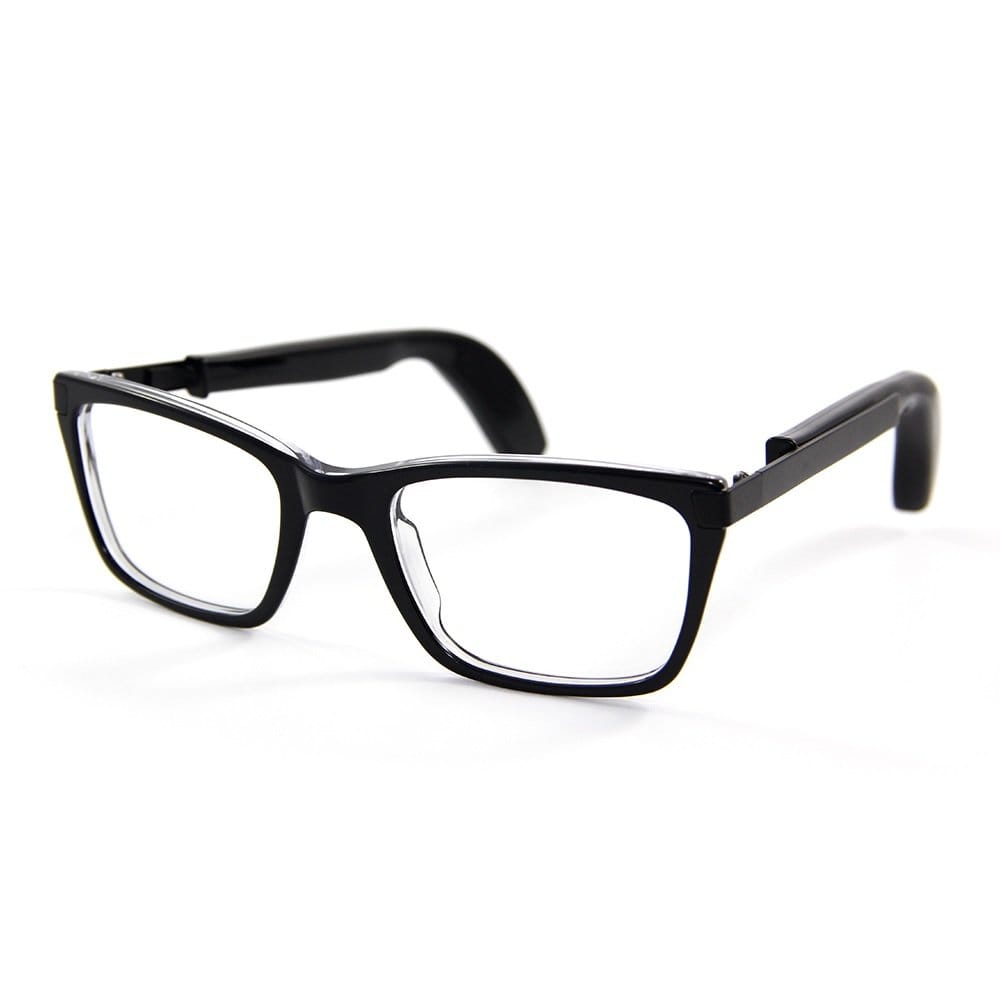
- Type: Non-Surgical
- Description: These devices combine the functionality of hearing aids with the stylishness of glasses. They are perfect for those who want to discreetly enhance their hearing while maintaining their appearance.
- Price: ₹1,30,000
- Location: Available in major cities, providing a seamless blend of fashion and function.
Surgical Options
4. BoneBridge by MED-EL
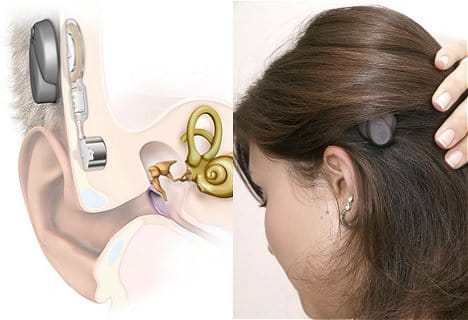
- Type: Surgical
- Description: BoneBridge is a surgically implanted bone conduction device designed for individuals with more severe hearing loss. It provides a natural and enhanced hearing experience by transmitting sound directly through the bone.
- Location: Available in major Indian cities like Delhi and Chandigarh.
5. Osia and BAHA Connect by Cochlear
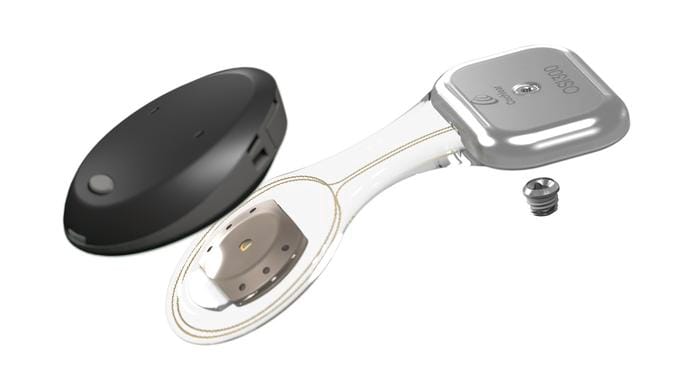
- Type: Surgical
- Description: These surgical options offer superior sound quality and are suitable for a wide range of hearing losses. They are ideal for individuals needing a more permanent solution, providing improved hearing clarity and comfort.
- Location: Available in major Indian cities, including Gurgaon, Delhi, and Chandigarh.
Book Your Free Hearing Assessment Today
If you’re in Delhi, Chandigarh, or Gurgaon, Centre for Hearing offers convenient consultations. Contact us today to schedule your free hearing assessment and find out if bone conduction hearing aids are right for you.