
 +91 98112 27269
Hearing Loss – A Growing Concern
Hearing loss is a widespread yet often overlooked health issue in India. Millions of Indians experience some degree of hearing impairment, impacting their communication, education, and overall quality of life.
According to the World Health Organization (WHO), approximately 6.3% of India’s population suffers from significant hearing impairment, while 10-12% require some form of treatment for hearing-related issues.Hearing loss is particularly prevalent among older adults. In fact, 1 in 3 adults over the age of 65 is affected, making it the second most common disability worldwide.
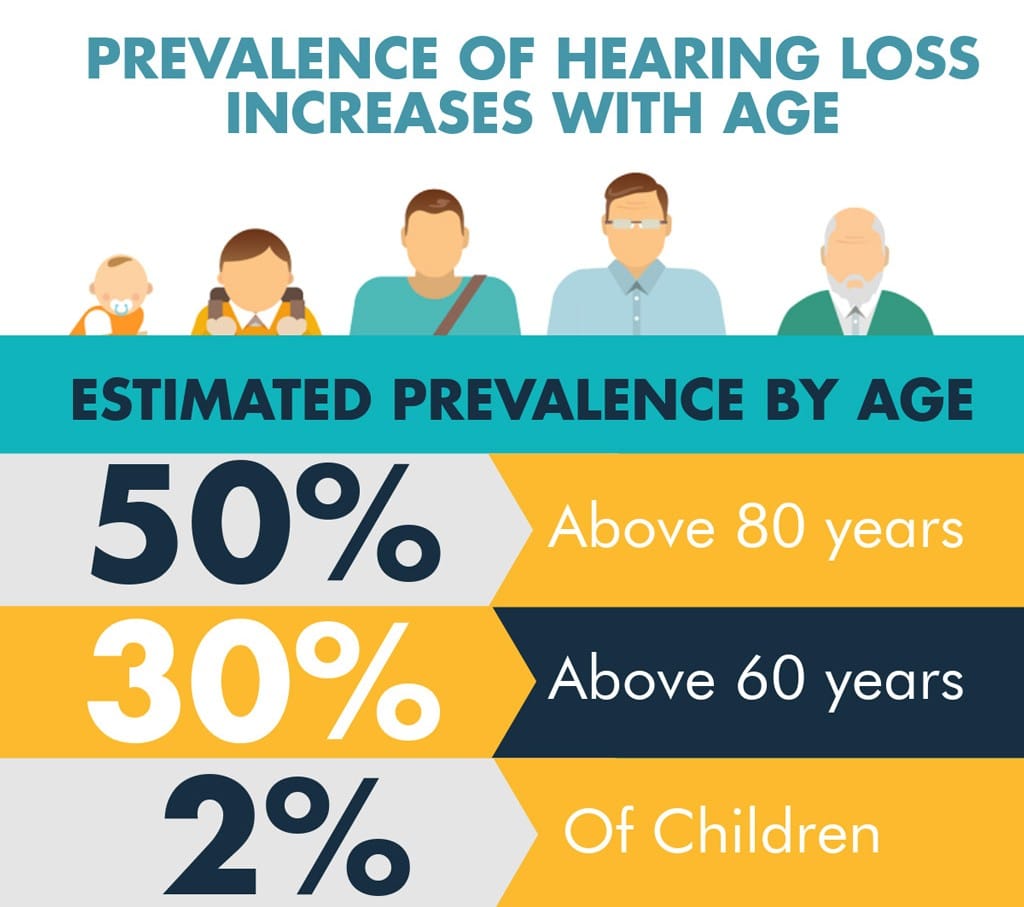
1. Elderly Individuals
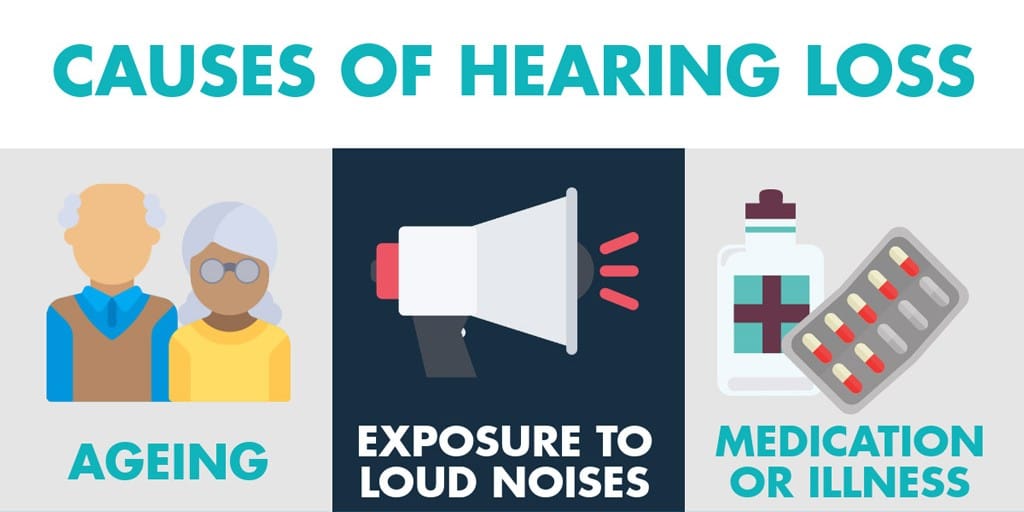
Age-related hearing loss (presbycusis) is one of the most common causes of hearing impairment. Additionally, other age-related health conditions, including the prolonged use of ototoxic medications, can contribute to worsening hearing.
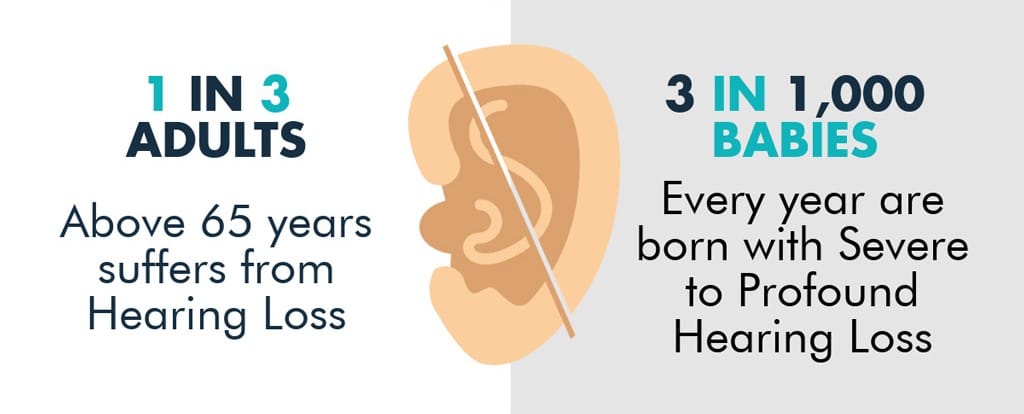
2. Children
Some children are born with hearing impairments, while others develop them due to infections, genetics, or environmental factors. Early detection is crucial—prompt interventions such as hearing aids or cochlear implants can significantly improve a child’s ability to communicate and thrive.
The Silent Epidemic
Unlike vision problems, hearing loss is not always visible, making it a “silent” epidemic. Many individuals remain unaware of their hearing decline until it starts affecting their daily lives. This highlights the importance of regular hearing tests, especially for adults over 55 years.
Why Do Most People Postpone Treatment for Hearing Problems?
Research shows that, on average, individuals take up to 7 years to seek help for their hearing loss after first noticing it. Unfortunately, this delay prevents them from benefiting from the best available solutions.
Delaying treatment can also lead to Auditory Deprivation, a condition where the brain is deprived of sound input for an extended period. This can make it harder to process sounds, even after adopting hearing aids.
Common Reasons for Delayed Intervention
People postpone seeking help for their hearing problems due to a variety of personal, social, and psychological factors, including:
- 🛑 Denial – People don’t want to acknowledge that they suffer from a hearing problem.
- 🙅 Social Stigma – People feel they will be judged for using hearing aids. This is far from the truth given the rising awareness for hearing aids today.
- ⏳ Fear of Aging – People don’t want to feel “old”
- 💰 Cost Concerns – Financial implications may prevent people from considering hearing aids. Easy EMIs or financing options are available today to deal with these concerns
- 📖 Lack of Awareness – Some are unaware of the small, discreet and invisible hearing aid options available today.
📌 Check Centre for Hearing’s Guide on Hearing Aid Prices – Find the right hearing aid for your needs.
Other Contributing Factors
- 🔄 Coping Strategies – People with hearing problems manage with lipreading or by asking people to repeat themselves louder.
- ⏳ Procrastination – Some believe the issue will resolve on its own, underestimating the risks of untreated hearing loss.
- ❌ Misinformation – A lack of knowledge about hearing treatments have many resorting to unproven techniques.
- 📅 Perceived Inconvenience – The inconvenience of having to manage another device has also been a deterrent for some.
- 🏥 Lack of Reliable Services – Often people can’t find reliable hearing care services that they trust nearby to where they live. However, Audiology is now a growing field in India and organisations like Centre for Hearing are at the forefront of providing professional services to people suffering from hearing problems.
Take the First Step – Get Your Hearing Checked!
Don’t let hearing loss affect your quality of life. Early intervention with hearing aids or other treatments can restore clarity and confidence in communication!
Explore More



Get support and advice
Request an appointment
Take an online hearing test
Find a clinic near you